After upgrading to a pair of Alienware OLED monitors—the AW3423DW and the AW2725DF—I quickly realized how profoundly different the gaming experience becomes. While my older LG LCD panel still shines for productivity tasks, it simply can’t keep up when it comes to gaming. Below, I answer the most common questions about this transition and explain why OLED has become a must-have for my setup.
1. What made you switch to 240Hz OLED monitors in the first place?
I was looking for a way to get smoother motion and richer visuals without sacrificing speed. My previous LG LCD had a higher resolution (4K) and decent brightness, but it suffered from IPS glow and slow pixel response times. The Alienware AW3423DW and AW2725DF promised true blacks, near-instant pixel transitions, and a buttery 240Hz refresh rate. After experiencing OLED’s self-emissive pixels, I found that games felt more immersive and fluid, especially in fast-paced shooters and racing titles. The combination of high refresh and perfect contrast simply made LCD feel outdated for gaming.
2. Why do you prefer OLED over LCD specifically for gaming?
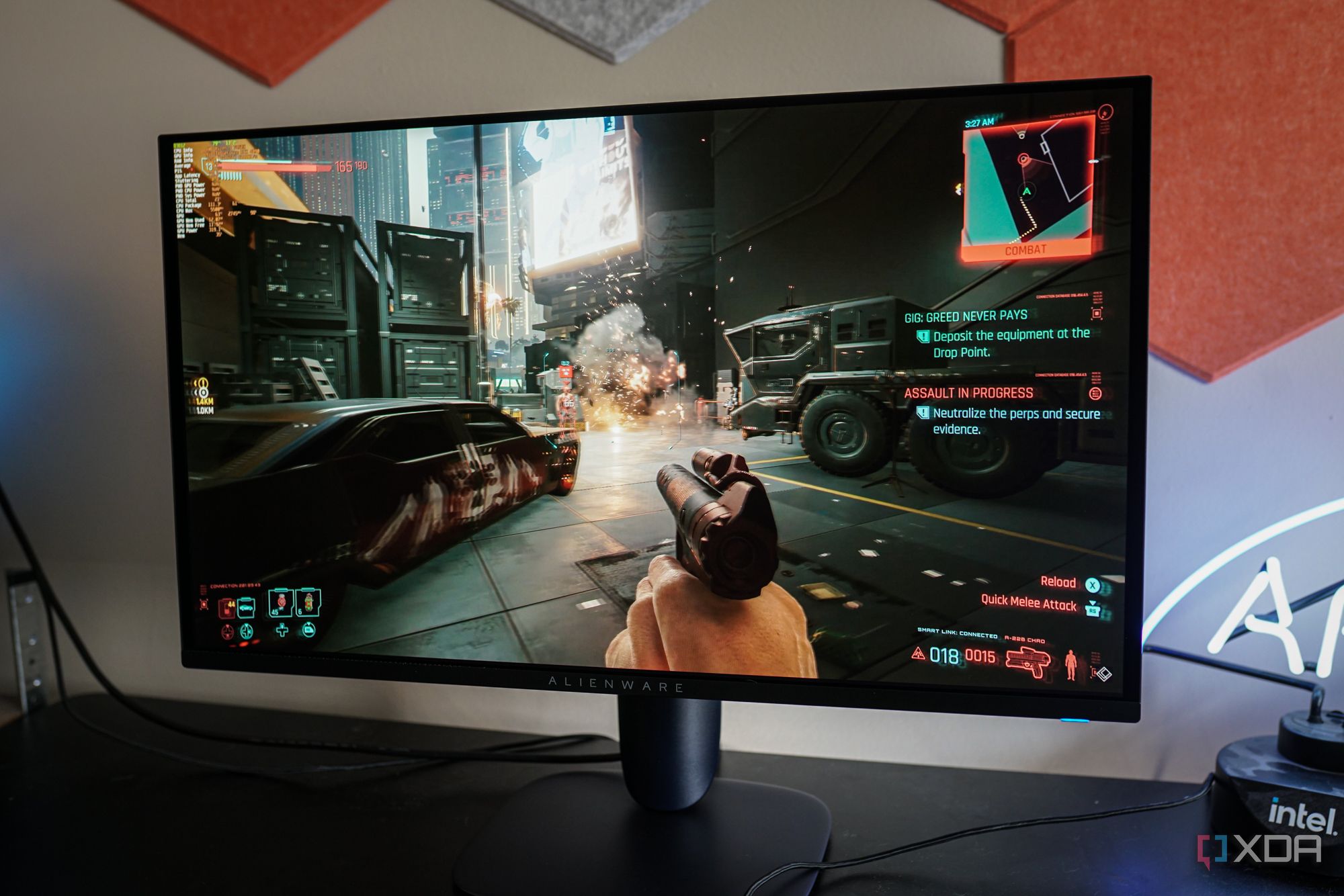
OLED offers per-pixel lighting, which means every black pixel is truly off—producing infinite contrast. In games, this eliminates the grayish haze you see on LCDs during dark scenes. Additionally, OLED pixels switch colors much faster than even the best IPS panels, resulting in virtually no motion blur at 240Hz. While my LG LCD covers a wide color gamut, the combination of deep blacks, vibrant colors, and instant response makes OLED feel more alive. The difference is especially noticeable in horror games, night races, or any title with high dynamic range.
3. Do you still use your LCD monitor at all? If so, for what?
Yes, I keep my LG LCD connected for regular desktop work. It’s brighter and sharper than the OLEDs in typical office lighting, and text rendering on LCDs is often cleaner due to the subpixel layout. For web browsing, word processing, or coding, I actually prefer the LG. However, the moment I launch a game, I switch to the OLED. The LG’s higher resolution (4K) doesn’t compensate for its weaker contrast and noticeable IPS glow. For productivity, the LCD wins; for gaming, the OLED is irreplaceable.
4. Isn’t resolution more important than panel technology? Why not just use a 4K LCD?
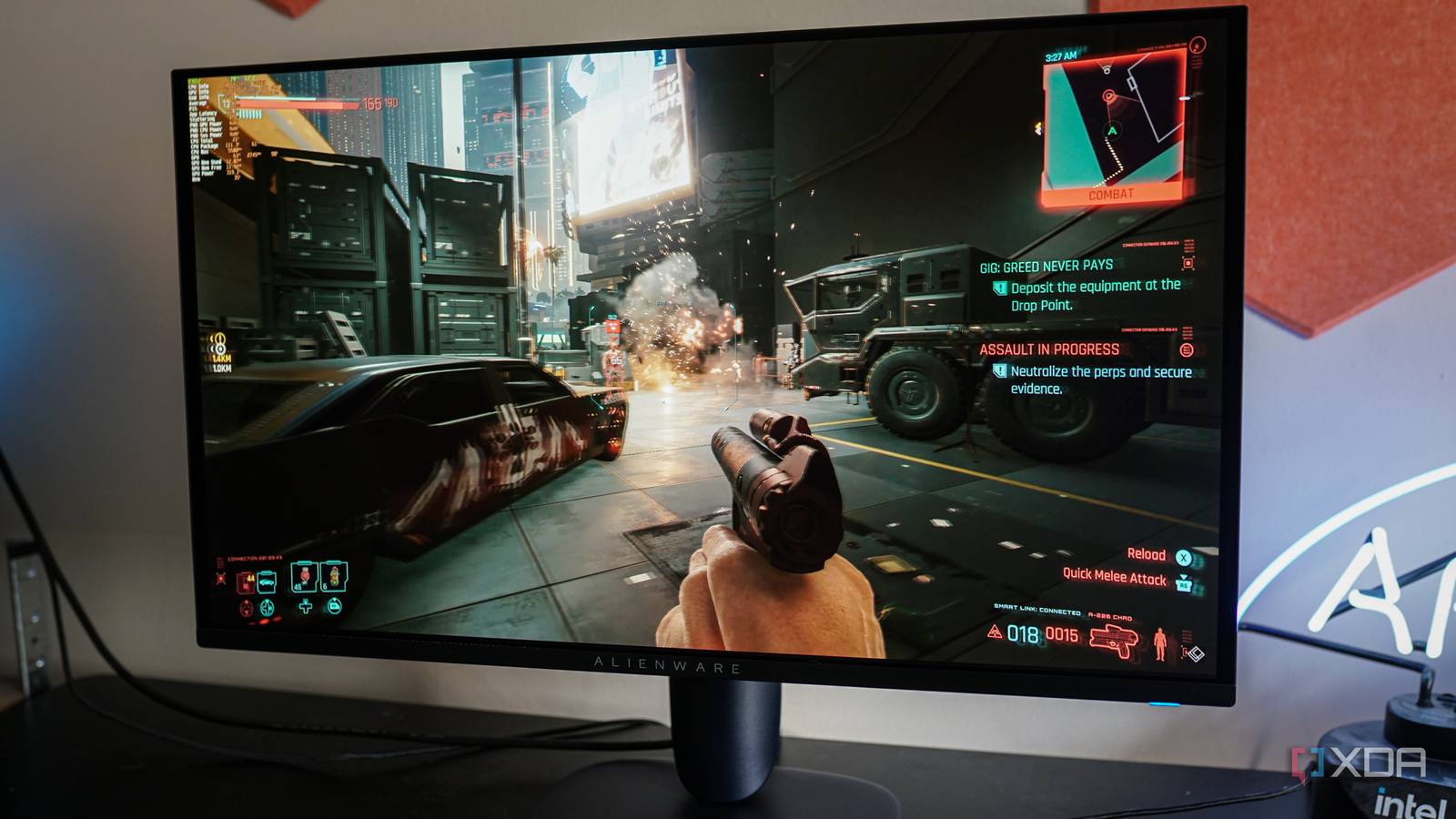
Resolution is important, but it’s not the only factor. A 4K LCD with mediocre contrast and slow response will still look flat and blurry in motion. With OLED, even a 1440p panel can appear more detailed because of the perceived clarity from high contrast. For example, in Cyberpunk 2077, the neon signs pop against true black backgrounds on the OLED—something no LCD can replicate. Pixel response times also matter: an OLED at 240Hz feels faster than a 4K LCD at 144Hz because ghosting is eliminated. In my experience, the trade-off in resolution is well worth the gains in realism and fluidity.
5. How do pixel response times compare between OLED and LCD?
OLED pixels can transition from black to white (or any color) in under 0.1ms, whereas even the fastest LCDs struggle to beat 1ms gray-to-gray. In practice, this means OLED has no trailing or ghosting behind moving objects. When playing first-person shooters like Valorant or Overwatch, I can track enemies without any blur. The 240Hz refresh rate further reduces motion artifacts, but the real magic is the pixel speed. LCDs, no matter how fast, still exhibit some overshoot or inverse ghosting, especially at higher refresh rates. OLED avoids these issues entirely, giving a clean, crisp image at all times.
6. What about IPS glow and backlight bleed? Did those bother you with your LCD?
Absolutely. My LG IPS monitor had noticeable IPS glow in the corners, especially when viewing dark content at an angle. This washed out dark scenes and made HDR gaming look uneven. OLED, being self-emissive, has zero backlight bleed and no glow because each pixel controls its own brightness. Even in a pitch-black room, the OLED’s blacks remain pure, while the LCD’s glow becomes distracting. That alone made me reluctant to use the LG for any immersive game—watching a night sky or exploring a cave felt far more realistic on the OLED.
7. Would you recommend someone switch to a 240Hz OLED today?
If you prioritize gaming performance and visual quality over raw brightness or text clarity, then yes. OLED technology has matured—burn-in risks are lower with modern panels and pixel-refresh features. The Alienware AW3423DW and AW2725DF are excellent examples. However, if you spend most of your time on bright productivity work or need the highest resolution for detailed design, an LCD might still be practical. For me, the gaming experience is so transformative that I can’t go back to LCD for anything interactive. Just be prepared to use a second monitor for office tasks.