Solar energy is often hailed as a clean alternative to fossil fuels, but new research from the University of Oxford and University College London reveals a hidden challenge: coal pollution itself is significantly undermining the performance of solar photovoltaic (PV) installations. The study, which analyzed data from multiple regions, found that particulate matter from coal combustion can reduce solar panel output by up to 25% in heavily polluted areas, effectively offsetting some of the environmental and economic gains of going solar.
The Science Behind Solar Panel Soiling
Solar panels rely on clear surfaces to absorb sunlight. When coal particulates—fine ash, soot, and sulfur compounds—settle on the glass, they create a layer of grime that scatters and absorbs incoming light. This phenomenon, known as soiling, is well-documented but its link to coal pollution has not been quantified at this scale before. The particles not only block light but can also cause microscopic scratches and chemical etching over time, further degrading efficiency.

Study Methodology
The Oxford and UCL team analyzed solar PV output data from over 1,000 installations across China, India, and parts of Europe. They cross-referenced this with air quality measurements, specifically PM2.5 and PM10 levels, which are high near coal plants. The study controlled for weather factors like cloud cover and temperature to isolate the pollution effect.
Key Findings
Results showed a clear correlation: for every 10 micrograms per cubic meter increase in PM2.5 concentration, solar panel output dropped by an average of 1.5%. In regions near coal mines or power plants, where particulate levels can exceed 200 µg/m³, losses reached 25% or more. The effect was most pronounced during dry periods when rain didn’t wash the panels clean. Notably, the losses are cumulative—panels become dirtier over time without cleaning.
Broader Implications for Renewable Energy Transition
These findings highlight a paradoxical feedback loop: using coal to power a grid that includes solar reduces the very efficiency of that solar. In countries like India, where coal and solar both expand rapidly, the study suggests that expected solar yields may be overestimated by as much as 15–20% if pollution is ignored.
Regional Impact
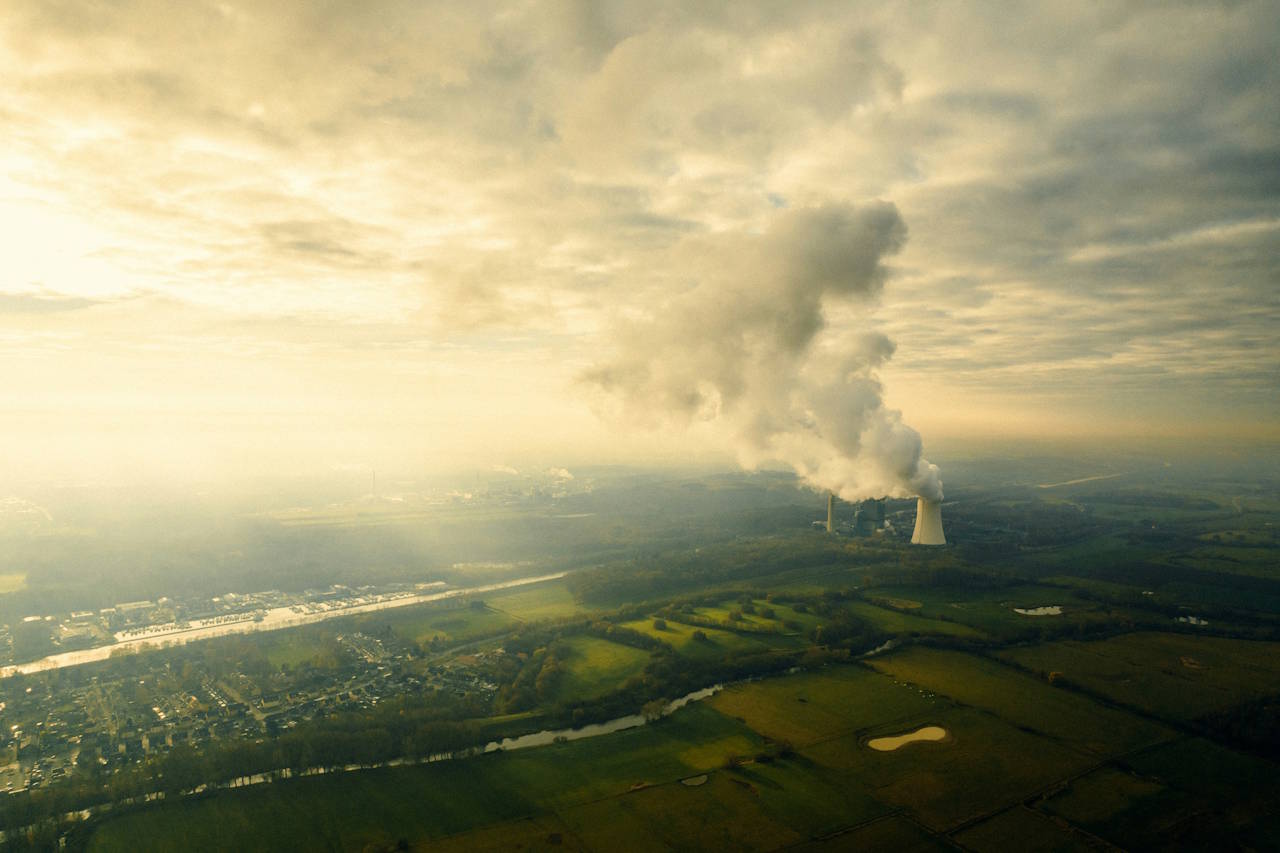
The worst-hit areas are in industrial regions of China and eastern India, where dense coal-fired plants blanket the landscape in haze. Even in relatively cleaner Europe, areas with legacy coal plants—such as Poland and the Balkans—showed measurable soiling losses. This means that solar projects near coal infrastructure face a hidden operational cost that is rarely factored into financial models.
Mitigation Strategies
Fortunately, the problem is not insurmountable. Regular cleaning of panels with water or automated robotic wipers can restore output, but adds maintenance expenses. Anti-soiling coatings that repel dust and particles are under development and becoming more affordable. On a larger scale, reducing coal emissions through better filters or switching to natural gas and renewables would directly improve solar yields. The study recommends that solar farm operators in polluted regions budget for cleaning costs and that policymakers integrate pollution data into solar resource assessments.
In conclusion, this research underscores a crucial lesson: the transition to clean energy must address all forms of pollution, not just carbon dioxide. Coal’s impact on solar efficiency adds another compelling reason to phase out the dirtiest fossil fuels. For a deeper look at how air quality affects renewable energy, see our article on Air Quality and Renewable Performance.