For years, electric motorcycle innovation seemed dominated by agile startups and legacy automakers' spin-offs. However, Japan's motorcycle giants—Honda, Yamaha, Kawasaki, and Suzuki—have been quietly but steadily accelerating their own electric strategies. Now, their plans are becoming impossible to ignore. From joint battery ventures to dedicated production lines, these industry titans are laying the foundation for a sweeping electrification shift. Here are the 10 most significant steps they've taken so far.
1. Honda's Ambitious Electric Roadmap
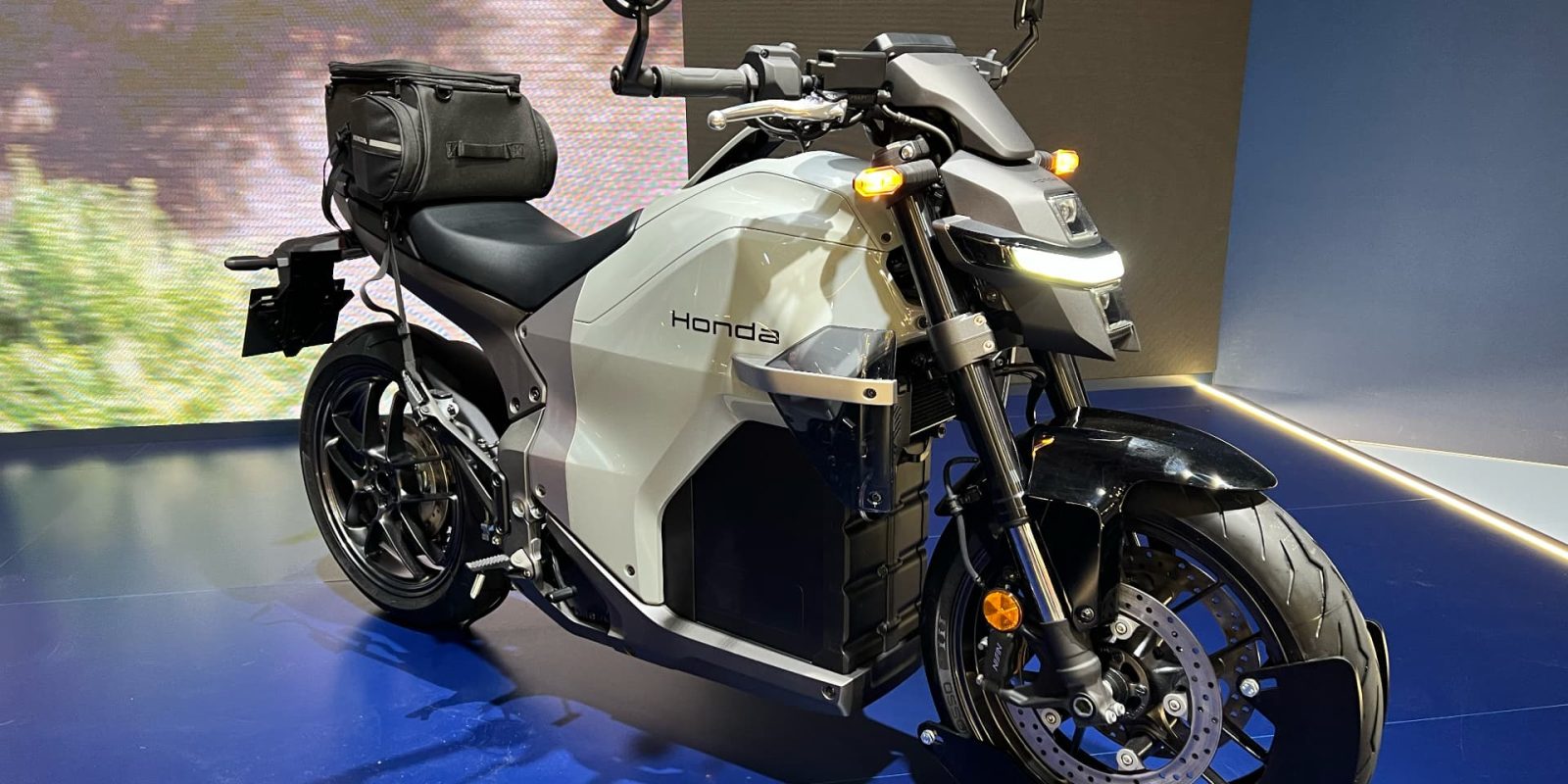
Honda has publicly committed to launching 10 new electric motorcycle models globally by 2025. This bold target includes everything from commuter scooters to larger street bikes. The company is also investing ¥5 trillion in R&D over the next decade, with a significant portion earmarked for two-wheeler electrification. Honda's battery-swapping partnership with Yamaha, KTM, and Piaggio (the SBMC) further underscores its intent to create an open standard for swappable batteries, reducing range anxiety and infrastructure costs. By leveraging its extensive dealer network, Honda aims to make electric two-wheelers accessible in emerging markets like India and Southeast Asia.
2. Yamaha's First Mass-Production Electric Scooter
Yamaha broke new ground with the E01, its first mass-produced electric scooter launched in 2022. Though initially limited to a few European markets, the E01 showcased Yamaha's engineering prowess: a 8.1 kWh battery delivering a range of about 85 km (53 miles) and a top speed of 100 km/h (62 mph). The scooter also supports rapid charging, reaching 90% in just under two hours. Yamaha has indicated that the E01 is merely the beginning; the company plans to roll out electric variants across its popular models, including the MT series and sportbikes, by 2027.
3. Kawasaki's Supercharged EV Strategy
Kawasaki surprised enthusiasts by announcing a fully electric version of its iconic Ninja, the Ninja e-1, scheduled for 2024. But more intriguing is the company's development of hybrid motorcycles—combining an internal combustion engine with an electric motor—to bridge the gap for riders wary of full electrification. Kawasaki's joint venture with Suzuki, Honda, and Yamaha for swappable batteries also highlights its strategic focus on standardization. Additionally, Kawasaki is investing in lightweight battery technology, aiming to keep the sporty feel that riders expect from the brand.
4. Suzuki's Quiet but Steady Electrification
Suzuki may be less flashy in its EV push, but the company has been testing electric scooters in India (the Burgman Street Electric) and plans to launch a full electric scooter in that market by 2024. Suzuki is also a key member of the SBMC (Swappable Battery Motorcycle Consortium), alongside Honda and Yamaha. In Japan, Suzuki has started leasing small EV motorcycles for commercial use, such as delivery services. The company is focusing on low-cost, mass-market solutions rather than high-performance models, anticipating strong demand from fleet operators and urban commuters in Asia.
5. The SBMC: Japan's Battery-Swapping Alliance
In 2021, Honda, Yamaha, Kawasaki, and Suzuki formed the Swappable Battery Motorcycle Consortium (SBMC) with European partners KTM and Piaggio. This alliance aims to create a standardized, interoperable battery-swapping system for electric motorcycles and scooters. By sharing a common battery design, the consortium hopes to reduce consumer anxiety over charging and encourage infrastructure investment. The SBMC has already defined a common battery specification and is working with governments to set up swapping stations. This cooperative approach could be a game-changer for urban mobility, similar to Gogoro's success in Taiwan.
6. Dedicated Electric Production Lines
All four Japanese manufacturers have either established or announced dedicated electric two-wheeler assembly lines. Honda's plant in Kumamoto, Japan, is being retrofitted for EV production. Yamaha is converting a portion of its Iwata factory. Kawasaki is building a new EV-focused facility in Akashi. Suzuki is repurposing existing lines in India for electric scooters. These moves signal a long-term commitment to mass production, moving beyond experimental or low-volume models. The shift also creates thousands of green jobs and aligns with Japan's carbon-neutrality targets for 2050.

7. Targeting the Asian Commuter Market
While Western headlines often focus on high-performance electric superbikes, Japan's Big Four see the biggest opportunity in Asia's booming scooter market. With over 30 million two-wheelers sold annually in India alone, electrification could drastically cut urban air pollution. Honda is partnering with Indian manufacturer Hero MotoCorp to develop affordable electric scooters. Yamaha is exploring battery-as-a-service models for Southeast Asia. Suzuki already sells an electric scooter in India under the Burgman brand. These low-cost, high-volume strategies aim to make EVs competitive with petrol models without subsidies.
8. Racing Electrons: electric track bikes
To prove performance and attract younger riders, Japanese manufacturers are entering electric racing. Honda has developed the RC-E, an electric prototype that competes in the MotoE World Cup. Yamaha supplies the drivetrain for MotoE. Kawasaki built an electric Ninja track bike for the All-Japan Road Race Championship. Suzuki has an electric GSX-R concept. Racing pushes battery and motor technology to the limit, and the lessons learned trickle down to consumer models. It also builds brand cachet among enthusiasts who might otherwise dismiss electric bikes as boring.
9. Infrastructure and Battery Recycling
Recognizing that chargers alone won't win converts, the Japanese consortium is also investing in battery recycling and second-life uses. Honda and Yamaha are exploring partnerships with recycling firms to repurpose used batteries as stationary energy storage. Kawasaki is researching solid-state batteries for longer life. Suzuki is designing batteries that can be easily disassembled for material recovery. This circular approach addresses environmental concerns and reduces total cost of ownership. The companies are also lobbying governments to install more charging points and standardize connectors.
10. Timeline for Full Electrification
Japan's Big Four have set incremental deadlines rather than blanket bans. Honda aims for 80% of its motorcycle sales to be electric by 2030. Yamaha targets 100% of its scooters to be electric by 2035. Kawasaki plans for 50% electric models in its lineup by 2030. Suzuki has not announced a public target but expects EV sales to surpass ICE models in India by 2035. While these timelines may seem conservative compared to startup promises, they are grounded in production reality. By 2040, all four companies expect the majority of their global sales to be electric.
Conclusion
Japan's motorcycle giants are not merely reacting to the electric trend—they are proactively shaping it through cooperation, massive investment, and a focus on the largest markets. While they may not yet have a flashy Tesla-like two-wheeler, their methodical approach could ultimately deliver more reliable, affordable, and widely available electric motorcycles. The next few years will be critical: watch for more models, swapping stations, and perhaps a few surprises from these quiet but determined leaders.